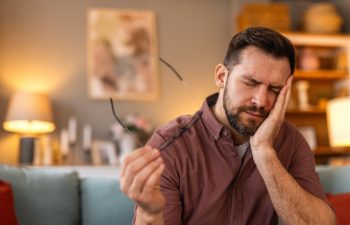
You made it through another demanding day. Deadlines met, emails answered, family obligations handled. You finally collapse into bed, certain that sleep will bring relief. But while you’re unconscious, your jaw has other plans. It’s working overtime, clenching and grinding with forces that can exceed 250 pounds of pressure, slowly wearing down the teeth you rely on every single day.
If this sounds familiar, you’re far from alone. A survey by the American Dental Association revealed that more than 70 percent of dentists have noticed signs of teeth grinding and clenching in their patients, representing a 10 percent increase compared to previous years. What was once considered an occasional dental quirk has evolved into a widespread health concern affecting millions of Americans, and the driving force behind it is something we all recognize: stress.
The Stress-Grinding Connection Your Dentist Wants You to Understand
Bruxism, the clinical term for teeth grinding and clenching, occurs in two distinct forms. Sleep bruxism happens unconsciously during the night, while awake bruxism involves clenching or grinding during waking hours, often without even realizing it. Both forms share a powerful common trigger.
Research published in medical journals has established a clear link between psychological stress and bruxism. One study found that stressed participants showed a 97 percent higher chance of presenting bruxism compared to their relaxed counterparts. Chronic stress triggers the release of cortisol and other hormones that increase muscle tension throughout the body, including the powerful muscles that control your jaw. This heightened state of alertness persists even during sleep, manifesting as rhythmic grinding or sustained clenching.
The numbers paint a striking picture of our collective tension. Nearly half of American adults now report frequent feelings of stress, a significant jump from just three decades ago. Financial pressures, work demands, family responsibilities, and the general uncertainties of modern life all contribute to this rising tide of anxiety. And while we may not consciously carry that stress to bed with us, our jaws certainly do.
Warning Signs That Your Teeth Are Taking the Hit
One of the most challenging aspects of bruxism is that many people grind their teeth without ever knowing it. The behavior happens unconsciously, often during the deepest stages of sleep when awareness is impossible. However, your body leaves clues if you know where to look.
- Morning Jaw Pain or Fatigue: waking up with a sore, tired jaw is one of the most common indicators that you’ve been clenching or grinding overnight.
- Unexplained Headaches: tension headaches that seem to originate from the temples often trace back to overworked jaw muscles.
- Tooth Sensitivity: grinding wears down protective enamel, exposing the sensitive inner layers of teeth to temperature and pressure.
- Chipped or Flattened Teeth: visible changes to the biting surfaces of teeth indicate significant grinding activity over time.
- Earaches Without Infection: the temporomandibular joint sits close to the ear canal, and strain in this area can create sensations of ear pain.
- Disrupted Sleep: partners often notice grinding sounds before the person doing the grinding becomes aware of the problem.
If you’ve noticed any combination of these symptoms, bruxism may be affecting your oral health without your knowledge.
The Cascade of Damage That Follows
Left unaddressed, chronic teeth grinding sets off a chain reaction of dental and health problems. The enamel protecting your teeth gradually wears away, leaving teeth vulnerable to decay, sensitivity, and structural damage. Dental restorations including crowns, fillings, and implants can crack or loosen under the repeated stress of grinding.
Perhaps most concerning is the impact on the temporomandibular joint (TMJ), the hinge that connects your jawbone to your skull. Chronic clenching and grinding can lead to TMJ disorders characterized by jaw pain, clicking or popping sounds, difficulty chewing, and even jaw locking. These conditions affect daily activities as basic as eating and speaking.
The relationship between bruxism and stress also creates a troubling feedback loop. Grinding can itself become a stressor, with the physical discomfort and dental damage adding to existing anxiety. Studies suggest that prolonged stress can permanently alter internal stress responses, meaning bruxism may become a default reaction to any form of tension.
Breaking the Cycle With Targeted Dental Solutions
The encouraging news is that bruxism responds well to professional intervention. While managing stress through lifestyle changes, relaxation techniques, and improved sleep habits all play supporting roles, dental solutions offer direct protection for your teeth and jaw.
Custom-fitted oral appliances represent one of the most effective approaches to managing nighttime grinding. Unlike over-the-counter options, professionally crafted mouthguards are designed specifically for your bite, providing comfortable protection that you’re more likely to wear consistently. These appliances create a barrier between upper and lower teeth while also helping to relax jaw muscles and reduce grinding intensity.
For patients whose bruxism connects to sleep-disordered breathing, addressing the underlying condition often reduces grinding significantly. The relationship between sleep apnea and bruxism is well documented, with oral appliance therapy offering relief for both conditions simultaneously.
Regular dental examinations also play an essential role in early detection. Your dentist can identify wear patterns and changes to tooth structure before you notice symptoms, allowing for intervention before significant damage occurs. This proactive approach protects both your natural teeth and any existing dental work.
Lifestyle Strategies That Support Dental Treatment
While professional treatment addresses the dental consequences of bruxism, incorporating stress-reduction strategies amplifies results and supports long-term management. Simple practices make meaningful differences.
Limiting caffeine and alcohol, particularly in the hours before bed, reduces factors known to worsen grinding. Creating consistent sleep schedules and calming bedtime routines signals your body to release tension before sleep. Jaw-specific relaxation exercises, including gentle stretching and warm compress applications, help release accumulated muscle tension.
Becoming aware of daytime clenching habits allows for conscious intervention. Many people discover they clench their jaw during concentration, frustration, or anxiety without realizing it. Simply noticing this pattern creates opportunities to consciously relax the jaw throughout the day.
Protect Your Smile From the Pressures of Modern Life at Exceptional Smiles at Landerbrook
At Exceptional Smiles at Landerbrook in Mayfield Heights, our team understands that oral health extends far beyond brushing and flossing. The stresses of everyday life show up in your mouth, and addressing those impacts requires both advanced technology and personalized attention. From custom oral appliances and bruxism guards to comprehensive evaluations for sleep-related breathing disorders, we provide solutions that protect your teeth from the pressures you carry.
Our Mayfield Heights dental practice serves families throughout Greater Cleveland, offering extended weekday hours, state-of-the-art technology, and a commitment to patient comfort that makes addressing concerns like teeth grinding as stress-free as possible. Don’t let stress silently damage your smile.
Contact Exceptional Smiles at Landerbrook today at (440) 335-5930 to schedule your consultation and discover how we can help you wake up without the ache.
Posted on behalf of
5825 Landerbrook Drive Suite #121
Mayfield Heights, OH 44124
Phone: (440) 335-5930
Email: office@exceptionalsmiles.com
Mon - Wed: 7am – 3pm
Thu: 7am – 7pm
Fri: 7am – 3pm
Sat - Sun: Closed